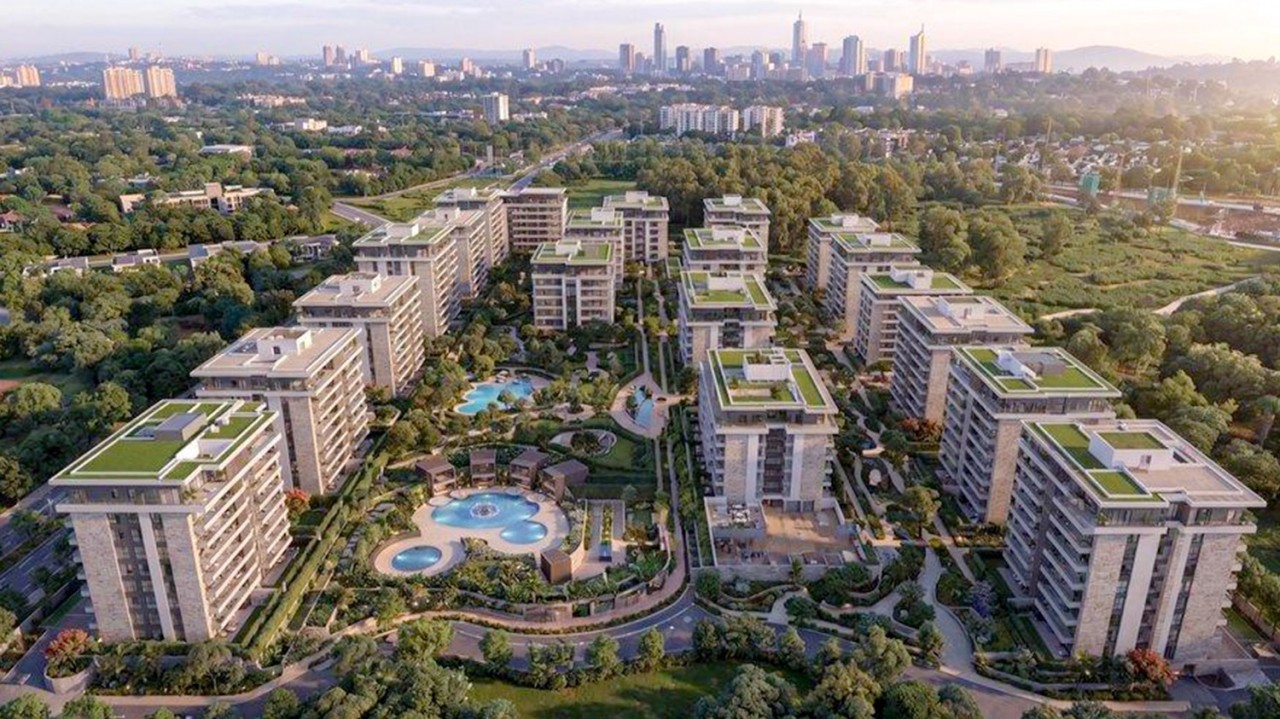
Why Resale Value Is Becoming a Bigger Part of the Homebuying Decision
For years, homebuyers primarily evaluated residential properties based on their immediate requirements location, price, size, amenities and lifestyle.
In 2026, that perspective is evolving.
Today, buyers are increasingly looking beyond the day they take possession. They are considering how well a property is likely to retain its relevance, desirability and value several years down the line.
Across residential markets, a clear shift is emerging. Resale potential is becoming a more important consideration, particularly among buyers who view their home not only as a place to live but also as a long-term asset.
Here is how resale value is influencing modern homebuying decisions.
1. Location Continues to Shape Long-Term Demand
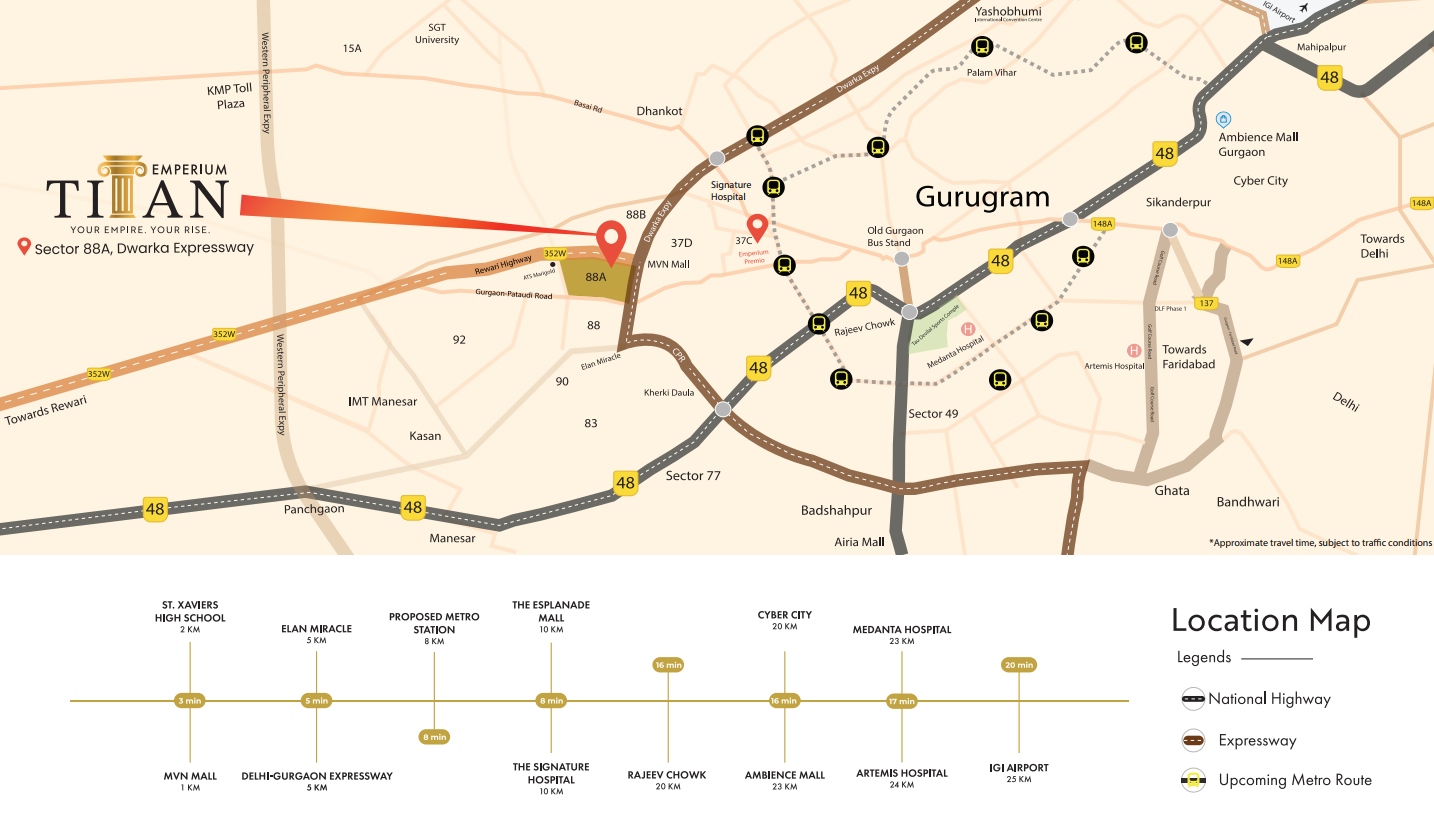
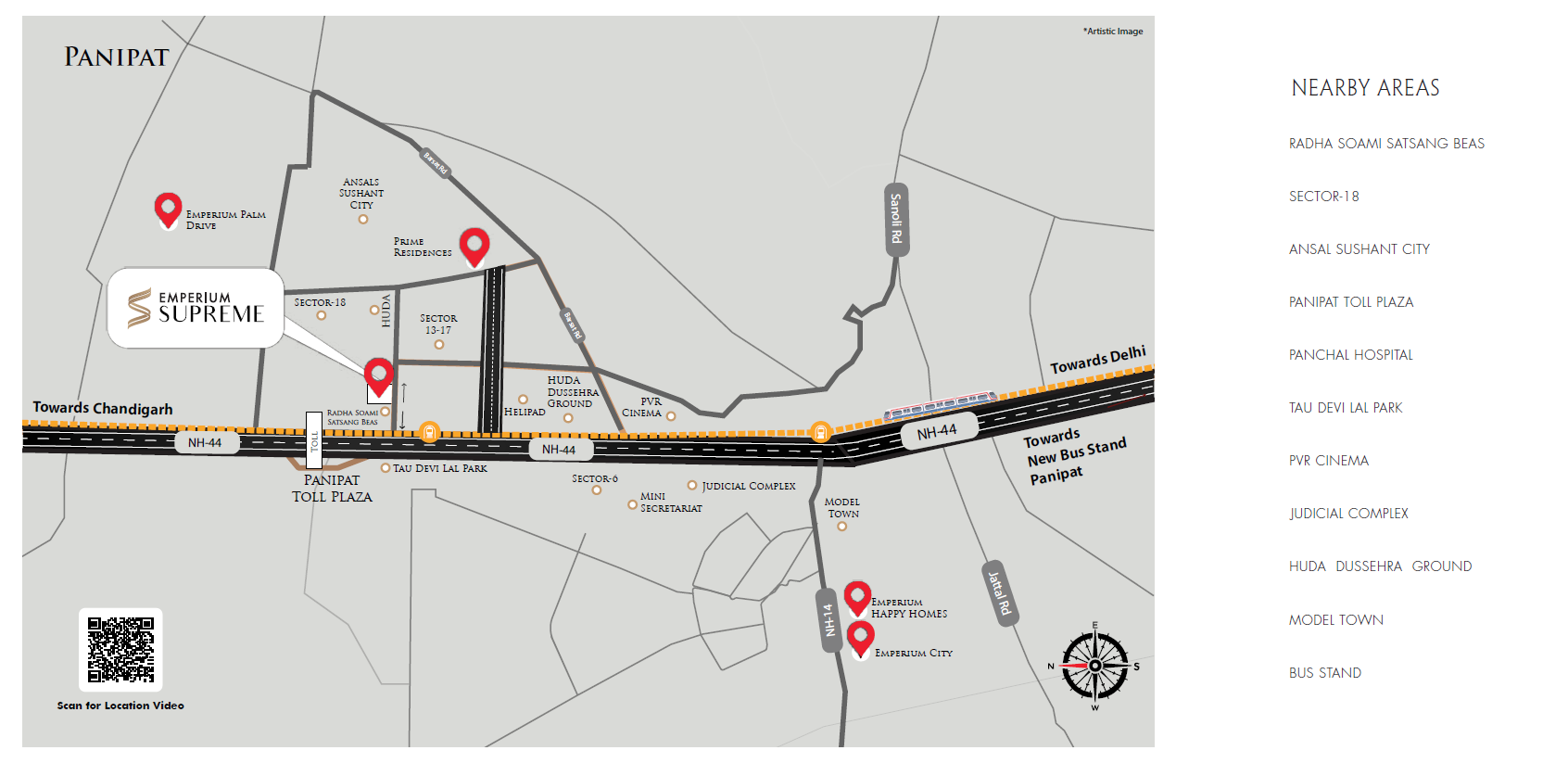
The value of a property is closely connected to the growth and evolution of its surroundings.
Buyers are increasingly evaluating:
- Connectivity to major roads and transport corridors
- Proximity to employment hubs
- Access to schools and healthcare
- Development of retail and lifestyle ecosystems
- Future infrastructure growth
A well-connected location can remain relevant even as surrounding areas evolve.
For homeowners, this can support both everyday convenience and future demand.
For investors, it creates greater confidence in the property’s long-term positioning.
In real estate, today’s location can become tomorrow’s advantage when the surrounding ecosystem continues to develop.
2. Developer Credibility Influences Buyer Confidence
Resale value is not determined by the property alone.
The credibility of the developer can also influence how future buyers perceive the development.
Homebuyers increasingly look for developers with:
- A consistent record of delivery
- Proven construction quality
- Transparent processes
- Strong customer relationships
- A track record of completing projects as promised
A trusted developer can provide greater confidence to both the original buyer and the person who may eventually purchase the property from them.
Over time, credibility becomes part of the asset’s perceived value.
3. Quality and Liveability Support Long-Term Demand
A property needs to remain desirable to retain its relevance in the market.
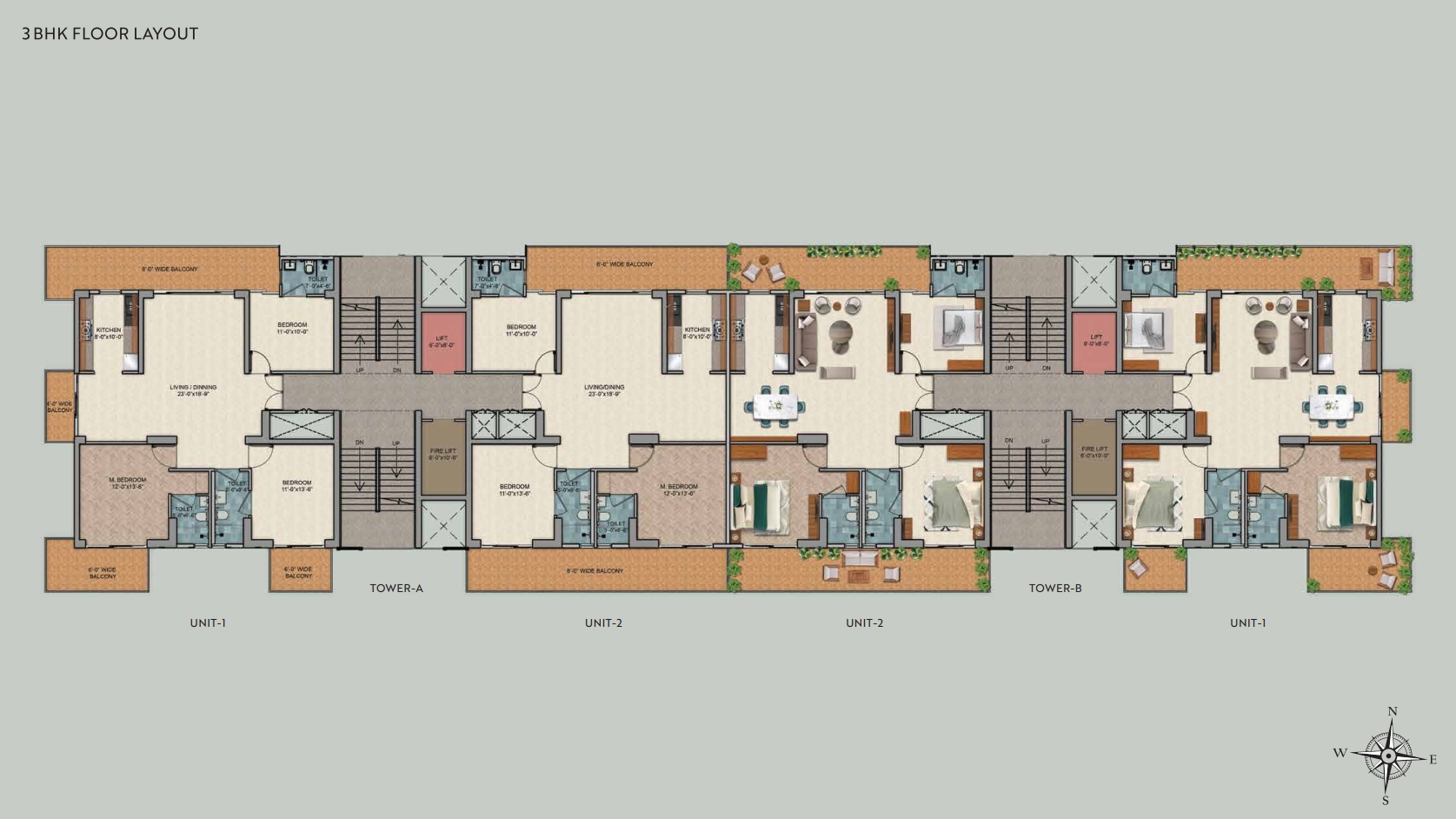
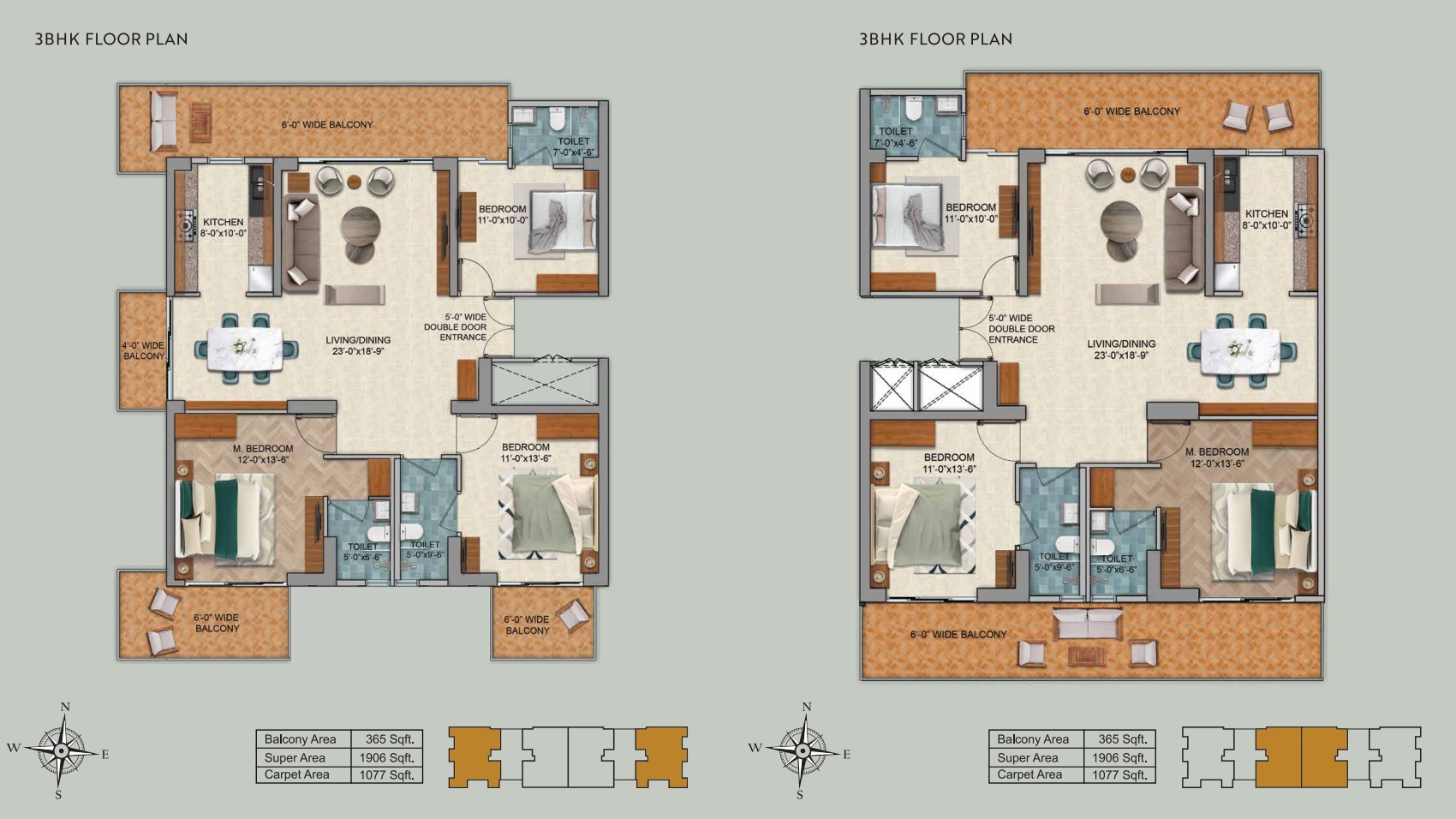
This makes factors such as construction quality, design, amenities and overall liveability important beyond the initial purchase decision.
Well-planned developments can offer:
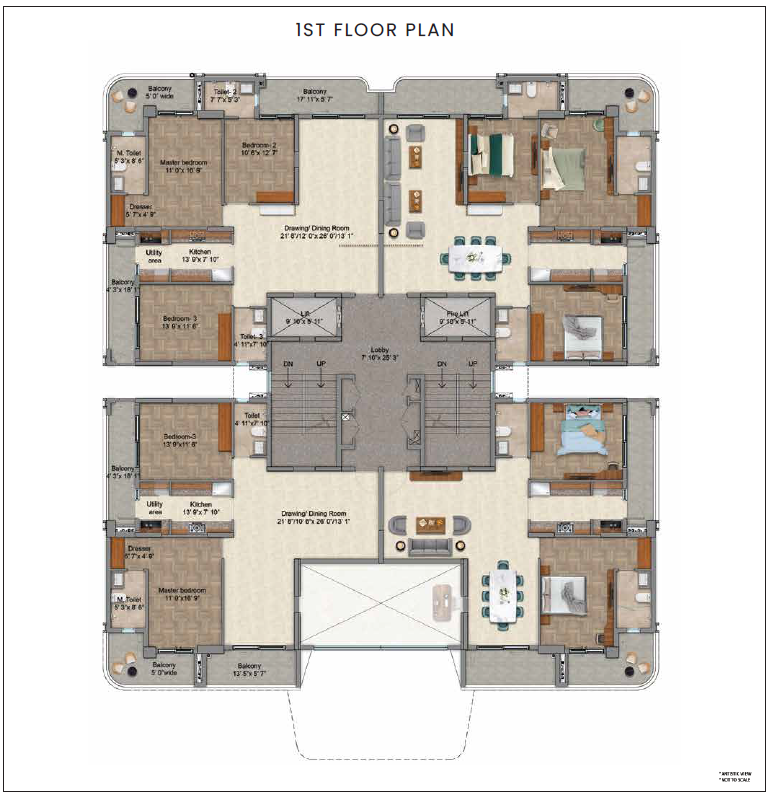
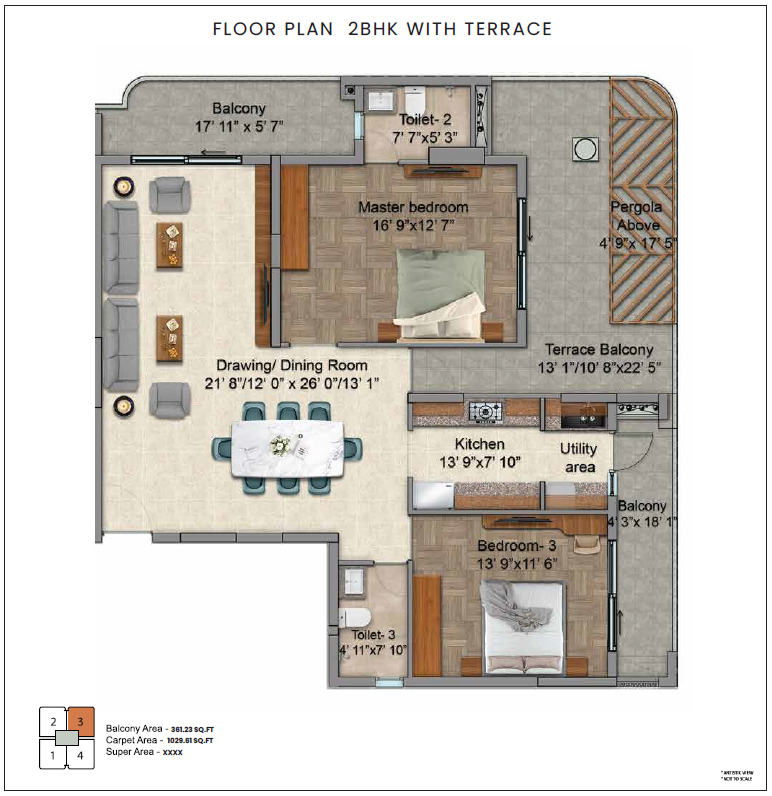
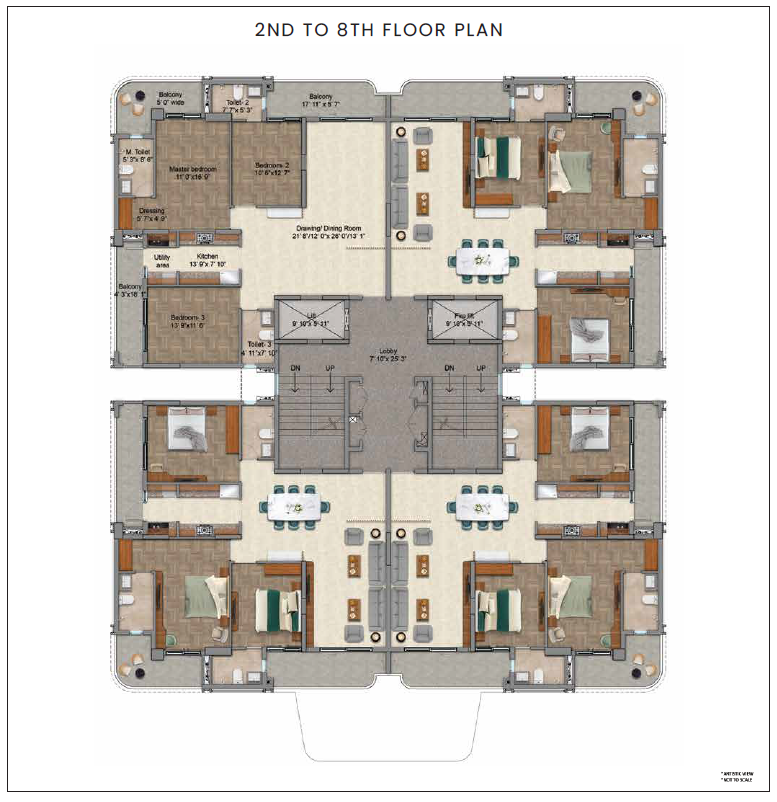
- Functional and adaptable spaces
- Quality construction
- Thoughtfully designed amenities
- Well-maintained common areas
- Comfortable community environments
These characteristics contribute to the everyday experience of residents while also influencing how future buyers evaluate the property.
A home that continues to meet changing expectations is more likely to remain desirable over time.
4. Sustainability Is Becoming Part of Long-Term Value
As environmental awareness grows, sustainability is increasingly influencing residential preferences.
Features such as energy-efficient systems, natural ventilation, daylight optimisation, green spaces and responsible resource management can contribute to more efficient and comfortable living.
Beyond their environmental benefits, these features can also support lower operational requirements and help developments remain aligned with evolving buyer expectations.
For future buyers, a development that has been planned responsibly can offer greater relevance in a market where sustainability is becoming an increasingly important consideration.
Long-term value is therefore being shaped not only by what a property offers today, but also by how well it responds to tomorrow’s expectations.
5. The Strength of the Community Matters
A residential property does not exist in isolation.
The quality of the community surrounding it can significantly influence its desirability over time.
Developments that offer:
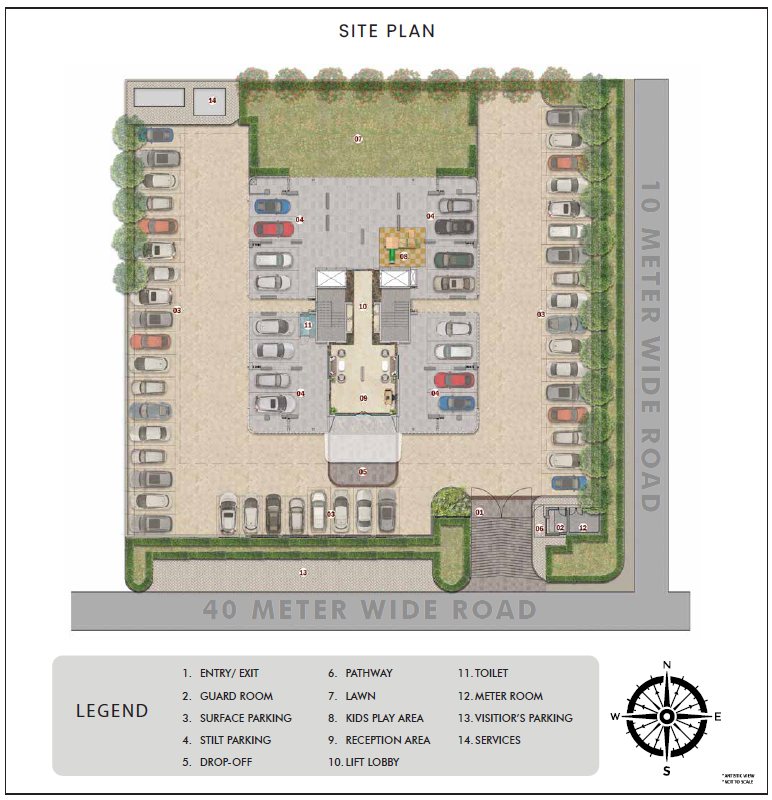
- Well-planned open spaces
- Recreational facilities
- Community interaction
- Convenient everyday amenities
- A strong sense of belonging
can create a more complete living experience.
For existing residents, this enhances quality of life.
For future buyers, it can make the development more attractive when evaluating where they want to live.
A strong community can therefore become an important part of an asset’s long-term appeal
The Way Forward: Building for Long-Term Value
As homebuyers become more informed, the decision to purchase a property is increasingly being viewed through a longer-term lens.
Location, developer credibility, construction quality, sustainability, community and overall liveability are no longer isolated considerations. Together, they contribute to how a property performs as both a home and a long-term asset.
At Emperium, we believe lasting value is created by building developments that remain relevant beyond the moment of possession. Thoughtful planning, responsible development and consistent execution form the foundation of this approach.
With every Emperium project being IGBC rated, we remain committed to creating developments that combine responsible planning with long-term liveability and value.
Because the strongest homes are not simply valuable when they are bought.
They remain desirable long after.