Why Community-Centric Living Is Becoming a Premium Real Estate Advantage
For years, premium residential developments were primarily evaluated through location, amenities and physical infrastructure.
In 2026, that perspective is evolving.
Today, homebuyers are looking beyond the individual residence. They are increasingly evaluating the quality of life created around it, the sense of belonging it offers and the opportunities it provides for meaningful social interaction.
Across premium developments, a clear shift is emerging. Community-centric living is becoming an important differentiator, where thoughtfully designed environments foster stronger connections between residents and enhance the overall living experience.
Here is how community-centric developments are influencing modern residential preferences.
1. Buyers Are Seeking More Than Just a Home
Homeownership is no longer viewed solely as a real estate transaction. It is increasingly seen as a lifestyle decision.
Buyers today are looking for developments that offer:
• A sense of belonging
• Opportunities for social interaction
• Shared experiences within the community
As urban lifestyles become more fast-paced, residents are placing greater value on environments that encourage meaningful human connections.
For end-users, this enhances everyday living.
For developers, it creates communities that remain relevant and desirable over time.
In 2026, people are not just buying homes. They are choosing the communities they want to be a part of.
2. Well-Planned Communities Enhance Everyday Living
The quality of a residential experience is often shaped by what happens beyond the front door.
Community-centric developments prioritise:
• Walkable environments
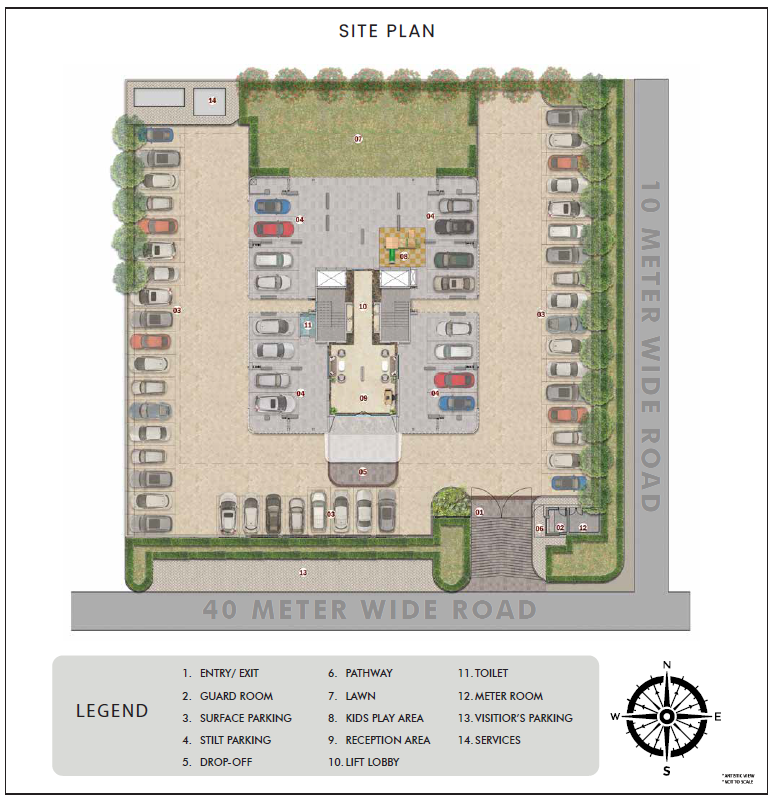
• Shared green spaces
• Gathering zones for residents
• Thoughtful integration of recreational areas
These spaces create opportunities for interaction while supporting convenience and well-being.
For residents, this contributes to a more engaging and balanced lifestyle.
For families, it creates an environment where relationships and experiences can flourish naturally.
Premium living today extends beyond private spaces. It includes the quality of the community experience.
3. Social Ecosystems Are Becoming a Key Differentiator
As residential supply expands, buyers are becoming more selective about the type of environment they choose.
Developments that foster active communities often benefit from:
• Stronger resident engagement
• Higher satisfaction levels
• Greater long-term desirability
A thriving community creates value that cannot be replicated through amenities alone.
As a result, buyers are increasingly prioritising projects that support interaction, inclusivity and shared experiences.
In 2026, the strength of a community is becoming as important as the quality of the development itself.
4. Long-Term Value Is Linked to Community Strength
Residential developments are ultimately shaped by the people who live within them.
Communities that encourage participation and engagement often experience:
• Higher resident retention
• Stronger word-of-mouth advocacy
• Sustained demand over time
This contributes to both lifestyle value and asset performance.
As the market matures, developments that successfully balance infrastructure with community building are increasingly viewed as stronger long-term investments.
The future of premium real estate is not only about creating spaces.
It is about creating environments where people genuinely want to stay, connect and grow.
The Way Forward: Building Communities, Not Just Developments
At Emperium, development is guided by the belief that great living extends beyond physical spaces. It is shaped by the relationships, experiences and sense of belonging that a community creates over time.
We believe that premium living is not defined solely by architecture or amenities, but by the ability of a development to bring people together and create lasting value for residents.
With every Emperium project being IGBC rated, we remain committed to building responsibly while creating environments that support connection, well-being and long-term livability.
Because in today’s real estate landscape, the most valuable communities are not simply built.
They are nurtured through people, purpose and shared experiences.