Why Developers Are Prioritising Low-Density Living in 2026
For years, residential development was driven by one primary objective efficiency of land use. Maximising the number of units within a given parcel was often seen as the most viable approach to urban housing.
In 2026, that approach is evolving. Today, premium real estate is no longer defined by how much can be built, but by how thoughtfully space is utilised.
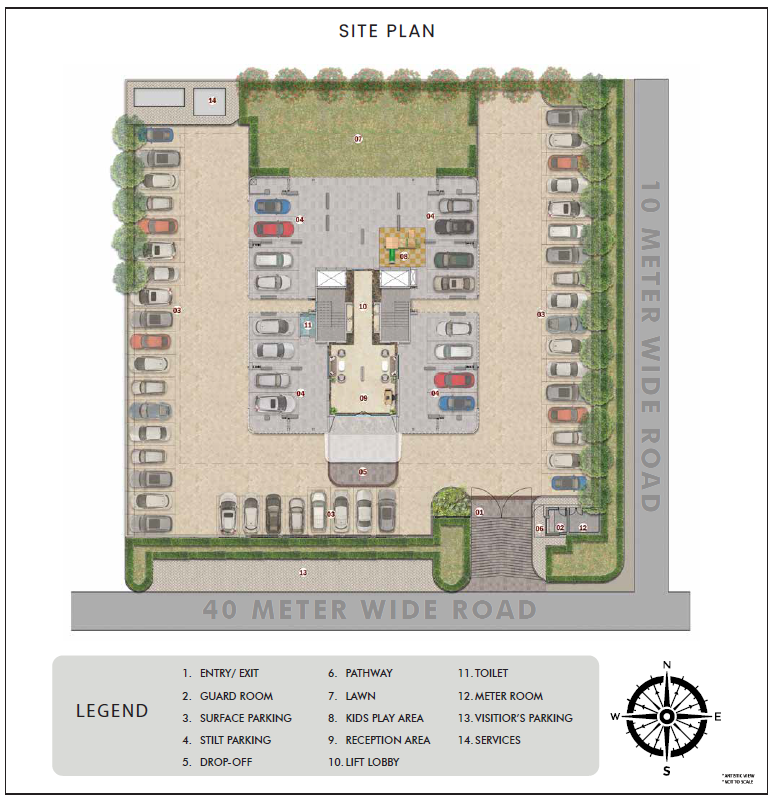
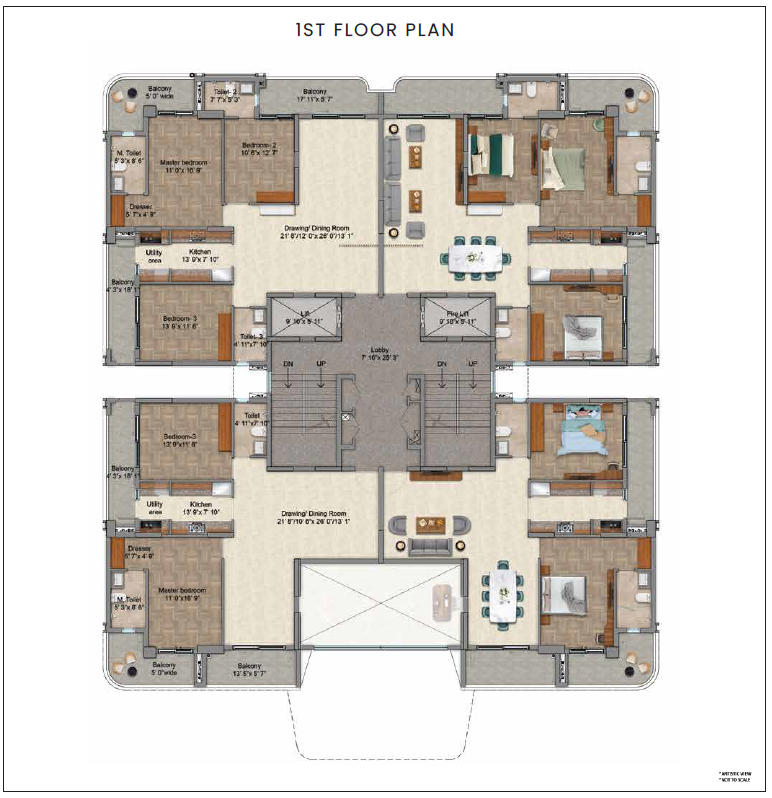
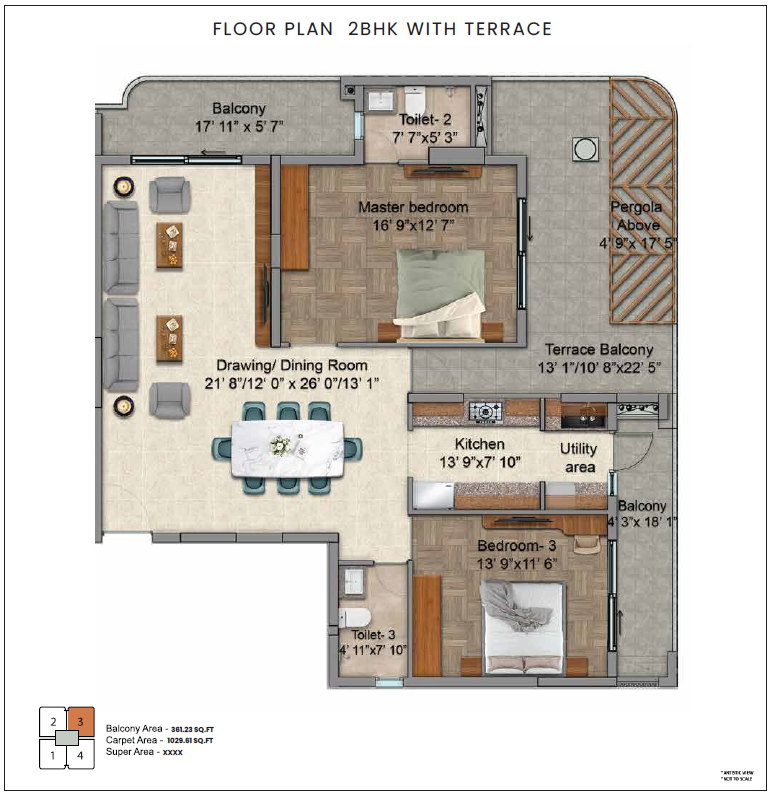
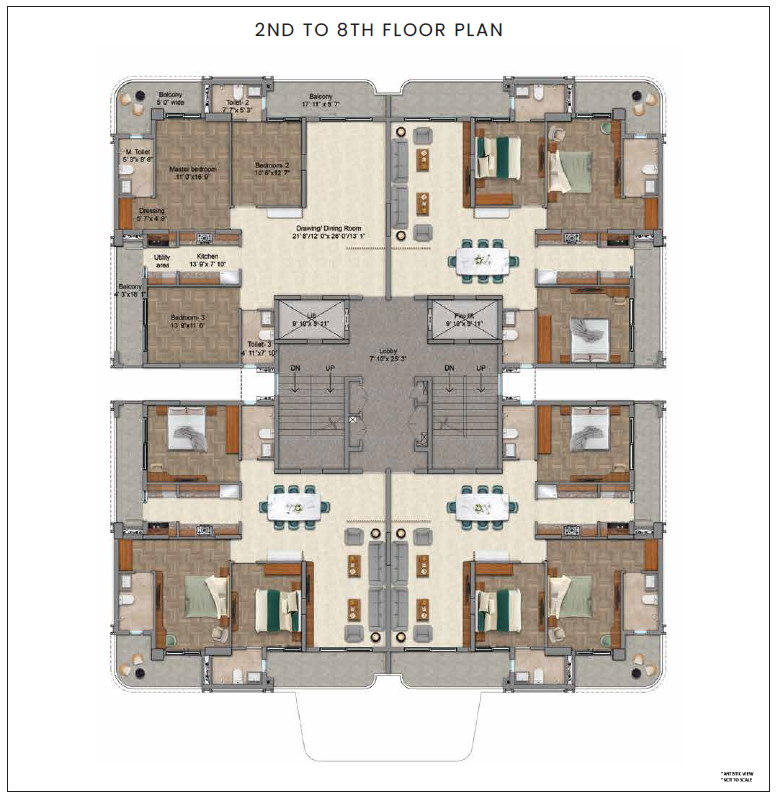
Across leading developments, a clear shift is emerging. Grade-A developers are increasingly prioritising low-density living, where fewer residences are planned within larger, more open environments.
Here is how low-density development is reshaping modern residential preferences.
1. Space Is Becoming the New Definition of Luxury
Low-density projects offer:
- Fewer residences per acre
- Larger open areas and landscaped zones
- Reduced crowding across shared spaces
For residents, this translates into greater privacy, quieter surroundings, and a more expansive living experience. For investors, such developments command stronger long-term value as exclusivity becomes a key differentiator.
In 2026, space is not an add-on. It is a defining feature.
2. Privacy and Exclusivity Are Driving Buyer Decisions
Low-density communities address this by design.
With fewer residents sharing amenities and circulation areas, these developments offer:
- More controlled access
- Reduced waiting and crowding
- A greater sense of personal space
For end-users, this enhances everyday comfort. For investors, it strengthens desirability among premium buyers seeking a more refined lifestyle.
Exclusivity is no longer a perception. It is a planned outcome.
3. Wellness-Focused Living Is Influencing Design Choices
• Better air circulation across open layouts
• Increased natural light penetration
• Larger green zones and outdoor spaces
• Reduced noise and environmental stress
These factors contribute to a healthier and more balanced lifestyle.
As wellness becomes integral to residential planning, developments that integrate open space and lower density are better aligned with evolving buyer priorities.
In today’s market, well-being is not an amenity. It is an expectation.
4. Long-Term Value Is Linked to Liveability
Low-density developments tend to offer:
- Better upkeep of shared infrastructure
- Lower strain on amenities and services
- Higher retention of aesthetic and functional quality over time
This results in stronger asset performance, both in terms of capital appreciation and rental potential.
As markets mature, properties that prioritise quality of living over quantity of units are increasingly seen as more resilient investments.
Liveability is becoming a key driver of long-term value.
The Way Forward: Designing for Space, Not Just Scale
We believe that premium living is not defined by density, but by the balance between built spaces and open environments. As buyer preferences shift toward privacy, wellness, and long-term livability, low-density development is emerging as a natural direction for future-ready communities.
With every Emperium project being IGBC rated, we remain committed to creating spaces that are not only efficient but also responsible, sustainable, and aligned with evolving urban lifestyles.
Because in today’s real estate landscape, true luxury is not about how much is built. It is about how well it is experienced.